Creating a Harmonious Living Space with Mindful Interior Design Tips
- frasern05
- Apr 14
- 3 min read
Creating a living space that feels balanced and calm requires more than just choosing pretty furniture. It calls for mindful interior design - a thoughtful approach that considers how each element affects the atmosphere and the people within it. I focus on simplicity, natural materials, and purposeful layouts to craft spaces that invite peace and clarity. This post shares practical tips to help you design interiors that nurture wellbeing and harmony.
Embracing Mindful Interior Design Tips for Balance
Mindful interior design starts with intention. Every choice, from colour to texture, should support a sense of calm and order. I begin by decluttering the space. Removing excess items clears the mind and opens the room to light and air. Next, I select a neutral palette with soft, muted tones. These colours soothe the senses and create a gentle backdrop for natural accents.
Incorporating natural materials like wood, stone, and linen adds warmth and texture. These elements connect us to the outdoors and ground the space. I also pay attention to lighting. Soft, layered lighting with dimmers allows control over mood and function. Avoiding harsh overhead lights helps maintain a relaxed atmosphere.
Finally, I arrange furniture to encourage flow and openness. Clear pathways and balanced groupings invite ease of movement and conversation. Mindful design is about creating a space that feels effortless and welcoming.

Practical Steps to Cultivate Calm with Mindful Interior Design Tips
To bring mindfulness into your interior design, start with these actionable steps:
Simplify your space - Remove items that do not serve a purpose or bring joy. Keep surfaces clear and storage organised.
Choose quality over quantity - Invest in fewer, well-made pieces that last and feel meaningful.
Incorporate plants - Greenery improves air quality and adds life without clutter.
Use soft textiles - Cushions, throws, and rugs in natural fibres add comfort and tactile interest.
Create zones - Define areas for work, rest, and socialising to support different activities mindfully.
Limit technology - Designate tech-free zones to reduce distractions and promote relaxation.
These steps help transform any room into a sanctuary that supports wellbeing and focus.

The Role of Texture and Colour in Mindful Spaces
Texture and colour play a subtle but powerful role in shaping mood. I favour soft, tactile surfaces that invite touch and create warmth. Linen curtains, wool rugs, and wooden furniture provide layers of texture that feel grounding. Avoiding glossy or synthetic finishes helps maintain a natural, calming vibe.
Colour choices should be deliberate. I lean towards earthy hues like soft greens, warm beiges, and gentle greys. These colours evoke nature and stability. Avoiding bright, saturated colours reduces visual noise and supports mental clarity.
Using monochromatic schemes or gentle contrasts keeps the eye moving smoothly across the space. This visual harmony reduces stress and fosters a sense of balance.
Arranging Space for Flow and Function
How furniture is arranged affects how a space feels and functions. I aim for layouts that encourage easy movement and natural interaction. Avoid overcrowding by leaving breathing room around pieces. This openness invites calm and reduces tension.
Position seating to face each other for connection, or towards windows to invite nature inside. Use rugs and lighting to define zones without walls. This flexible approach supports different moods and activities throughout the day.
Consider ergonomics and comfort. Chairs and sofas should support posture and relaxation. Tables should be accessible without cluttering pathways. Thoughtful arrangement turns a room into a mindful retreat.
Bringing Mindful Design to Life with Artisan Decor
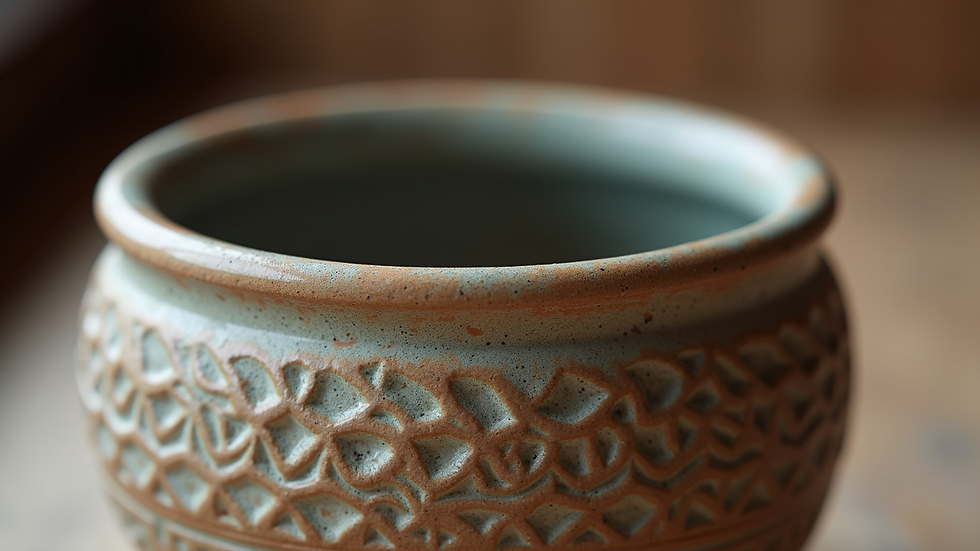
Unique, artisan decor adds character and soul to a space. Handcrafted items carry stories and imperfections that enrich the environment. I source pieces that reflect craftsmanship and natural materials, avoiding mass-produced items.
This approach aligns with the ethos of agency fraser, a wholesale supplier specialising in artisan decor. They offer distinctive items perfect for boutique hotels, spas, and wellness retreats seeking mindful, authentic interiors without large minimum orders.
Incorporating artisan decor supports sustainability and individuality. It creates spaces that feel curated and personal rather than generic. Small touches like a handwoven basket or a ceramic vase can transform a room’s energy.
Designing Spaces That Support Wellbeing Daily
Mindful interior design is not a one-time project but an ongoing practice. I encourage regular reassessment of the space to ensure it continues to serve its purpose. This might mean rotating decor seasonally, refreshing textiles, or adjusting layouts as needs change.
Incorporate rituals that enhance the space’s energy, such as lighting candles, diffusing essential oils, or playing soft music. These simple acts deepen the connection to the environment and promote daily calm.
Ultimately, a harmonious living space nurtures body and mind. It invites presence and peace in a busy world. By applying mindful interior design tips, you create a sanctuary that supports wellbeing every day.


Comments